ERASER Study:
ERic Acute Stroke Recanalization
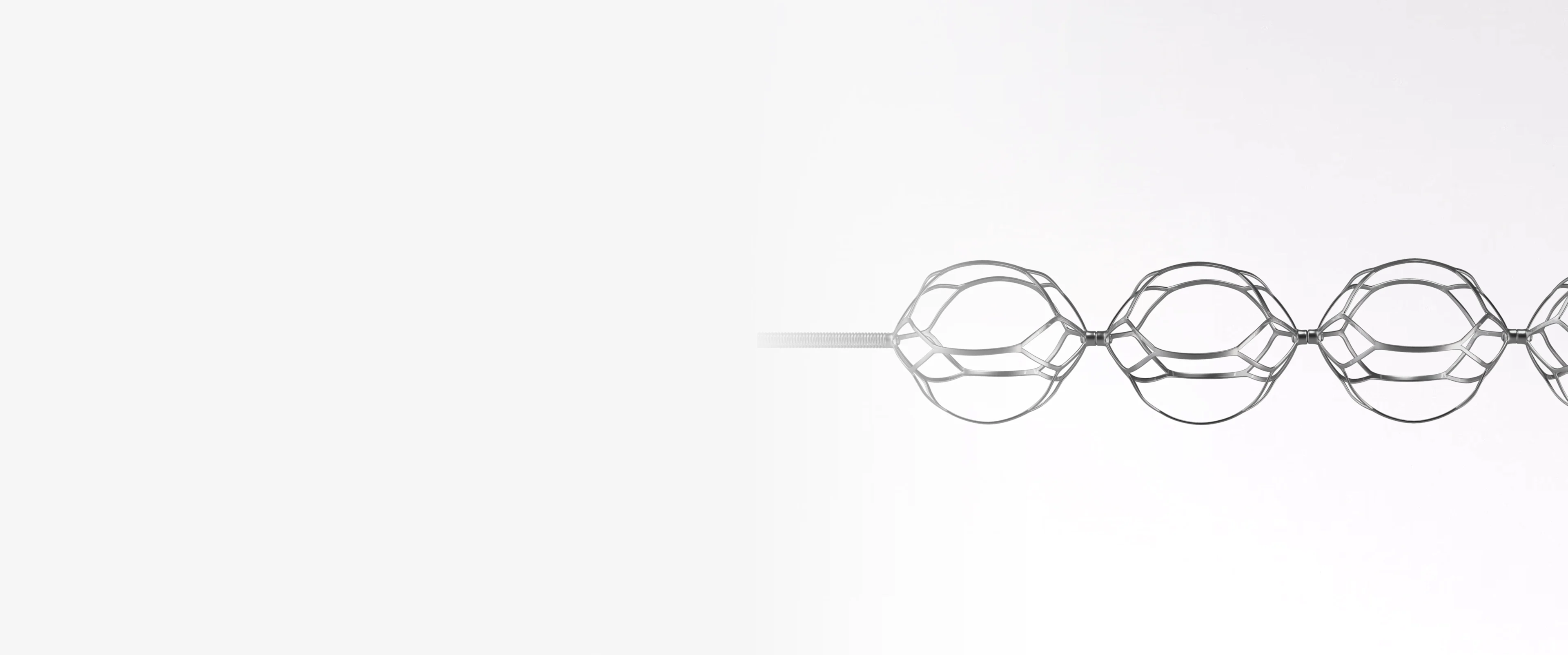
ERIC™ Stent Retriever
"ERASER is the first mechanical thrombectomy study with a primary end point based on predictive analytics enabling intraindividual virtual comparisons. The next-generation mechanical thrombectomy method resulted in smaller infarcts than predicted after intravenous tPA therapy alone and showed a high rate of good clinical outcome. The novel study design with virtual comparisons is promising for further application and testing in the neurovascular arena."
- Patients
81
- Countries
Germany & Switzerland
- Clinical Centers
9
- Design
Single arm prospective
- Scope
Patients ≥ 18 y.o. with acute ischemic stroke, NIHSS of 8-25, Intended usage of ERIC® as first device in combination with SOFIA™ Distal Access – Catheter (secondary bail-out with other devices allowed).
- Purpose
Assess the effect of ERIC™ device in combination with SOFIA™ Distal Access Catheter on artery recanalization and on clinical outcomes in stroke patients.
Evaluate the effect of the ERIC™ device in combination with SOFIA™ Distal Access Catheter on the final infarct volume as determined by advanced image postprocessing methods in the subgroup of patients with acute middle cerebral artery stroke (ERASER+).
Endpoints
VOST (volume of saved tissue) = VPIv- VMT at 30 hours
(VOST as difference of the brain volume with an infarct risk of >50%, based on a prediction – algorithm trained in a historical cohort treated with IV tPA (VPIv) and the actual infarct volume)
Efficacy results
TICI 2b/3 : 95%
Median VOST: 50 mL at 30 hrs (smaller than predicted by the intravenous tPA therapy model)
Safety results
At 90 days:
mRS 0-2: 70%
Mortality : 9%
Study publications
LINK TO STUDY PAGE ClinicalTrials.gov ID NCT02534701
SPONSOR: University Hospital Hamburg-Eppendorf
Please refer to Instruction for Use (IFU) in the specific market/country that you are looking into:
MM1945 WW 04/26

Explore more studies
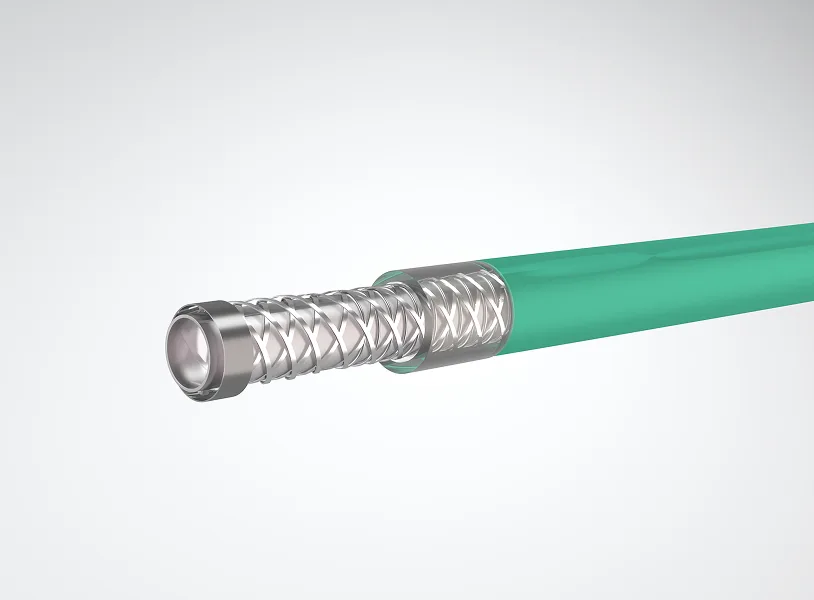
STABILISE Study: Stroke: an evaluation of thrombectomy in the ageing brain version 1
SOFIA™ Aspiration Catheter & ERIC™ Stent Retriever
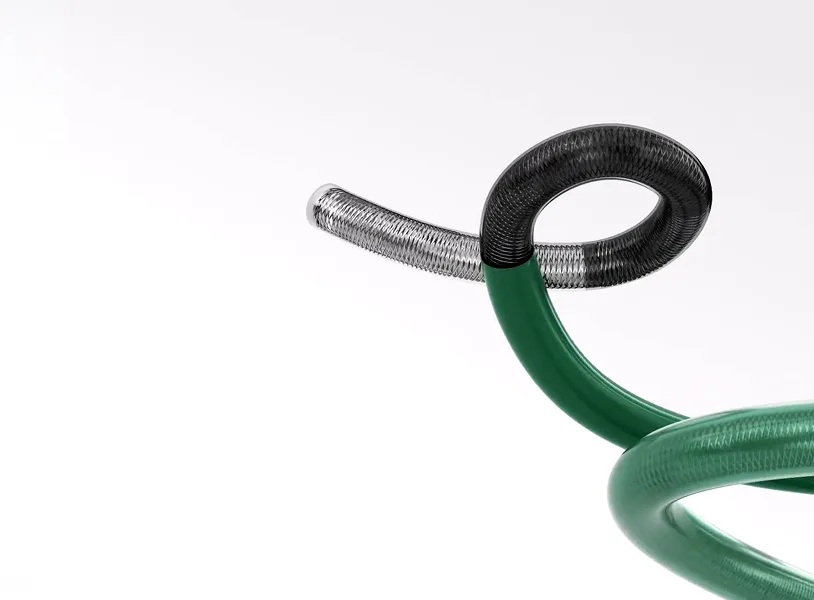
SESAME Study: Safety and Effectiveness of SOFIA™/SOFIA™ PLUS for Direct Aspiration in Acute Ischemic Stroke
SOFIA™ Aspiration Catheter
Request more information
The information you provide through this form is necessary to respond to your request and may be shared with the relevant Terumo Neuro group entity or entities responsible for handling it. For more information on how we process your personal data and on your rights, please refer to our privacy notice.