HDE Study:
Feasibility Study of the LVIS™ (Low-profile Visualized Intraluminal Support) Device
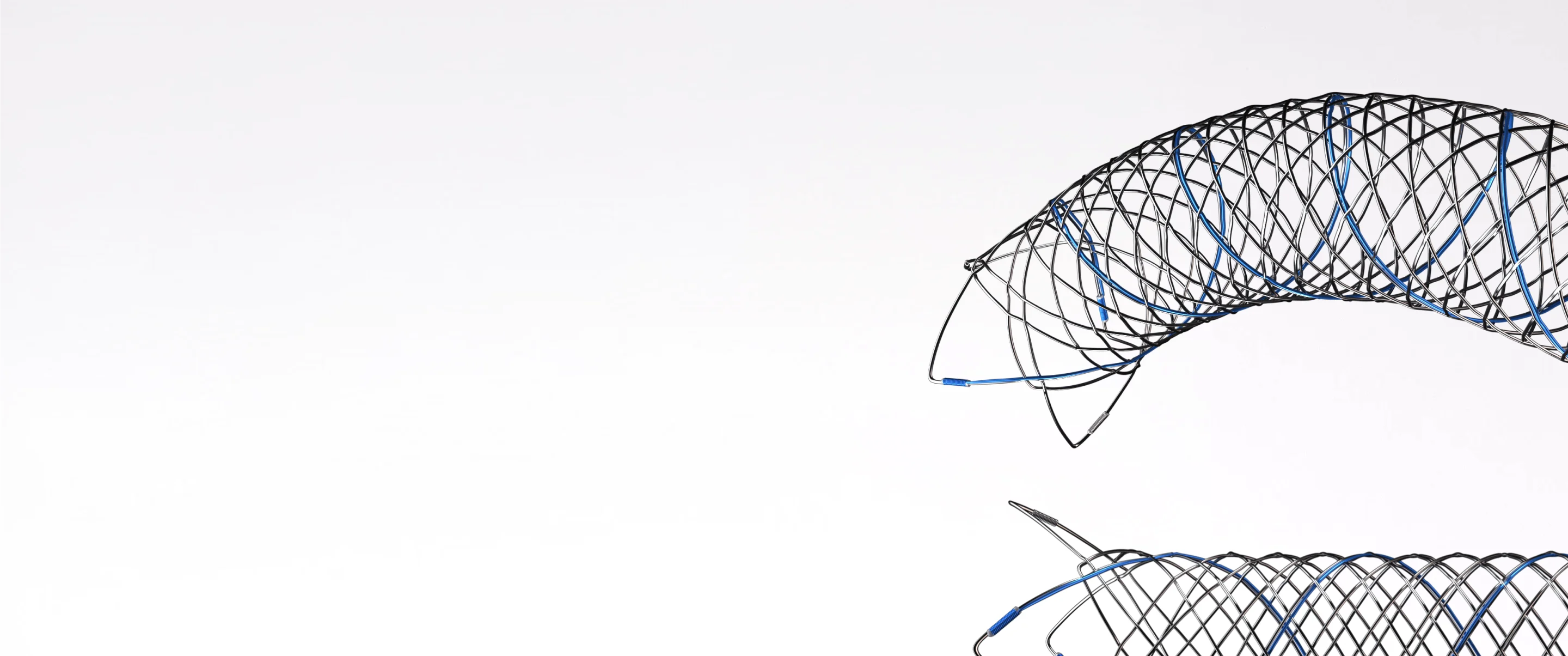
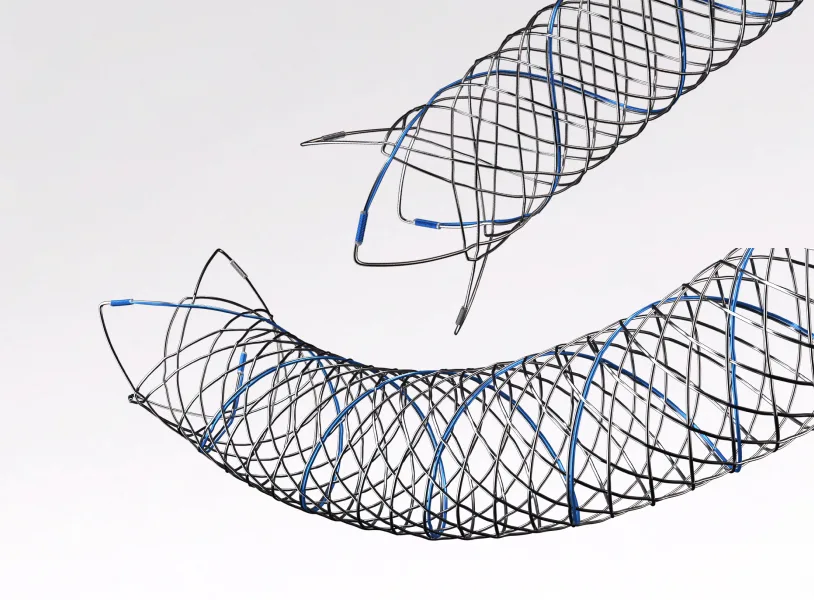
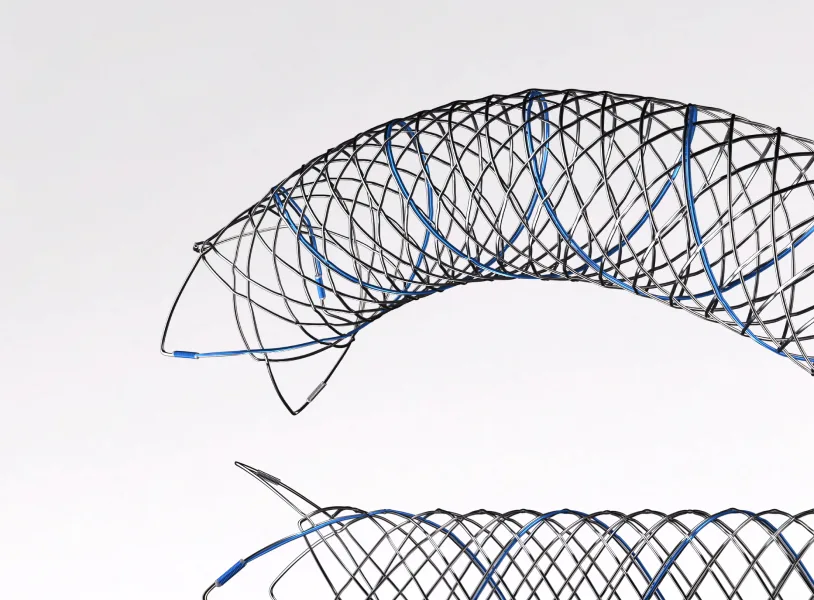
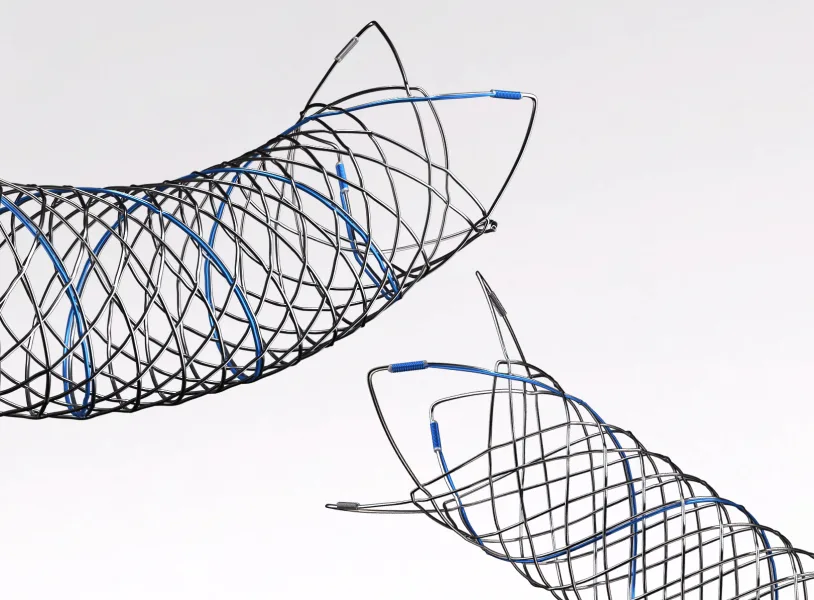
LVIS™ Coil Assist Stent
"HES coils are safe and effective for the management of ruptured intracranial aneurysms, achieving a superior rate of adequate occlusion when compared with a literature-based performance goal for bare platinum coils. Rates of target aneurysm rebleeding after HES coil embolization were very low."
- Patients
31
- Country
US
- Clinical Centers
6
- Design
Single arm prospective
- Scope
Patient 18 – 80 y.o., with unruptured wide neck (neck ≥4 mm or dome:neck ratio ≤2), saccular, intracranial aneurysm, 4-20 mm diameter, treatable with LVIS™ or LVIS™ Jr.
- Purpose
Evaluate the safety and probable benefit of the Low-profile Visualized Intraluminal Support (LVIS™ and LVIS™ Jr.) devices for the purpose of FDA humanitarian device exemption in the USA.
Endpoints
Effectiveness: Probable benefit measured by aneurysm angiographic occlusion of ≥ 90% at 6 months (assessed by Corelab)
Safety: Any major stroke or death within 30 days, or major ipsilateral stroke or neurological death within 6 months
Efficacy results
Technical success: 93.5%
Primary effectiveness endpoint result at 6 months: 92.9%
Complete occlusion at 6 months: 75.0%
Safety results
Primary safety endpoint event rate: 0% at 6 months
Patient mRS increase: 0% at 6 months
LINK TO STUDY PAGE ClinicalTrials.gov ID NCT01541254
Please refer to Instruction for Use (IFU) in the specific market/country that you are looking into:
MM1945 WW 04/26

Explore more studies
LEPI Study: Safety and Efficacy of the LVIS™ and LVIS™ Jr Devices in the Endovascular Treatment of Intracranial Aneurysms
LVIS™ Coil Assist Stent
Request more information
The information you provide through this form is necessary to respond to your request and may be shared with the relevant Terumo Neuro group entity or entities responsible for handling it. For more information on how we process your personal data and on your rights, please refer to our privacy notice.