PHIL dAVF Study:
Evaluation in the Endovascular Treatment of Intracranial Dural AVF
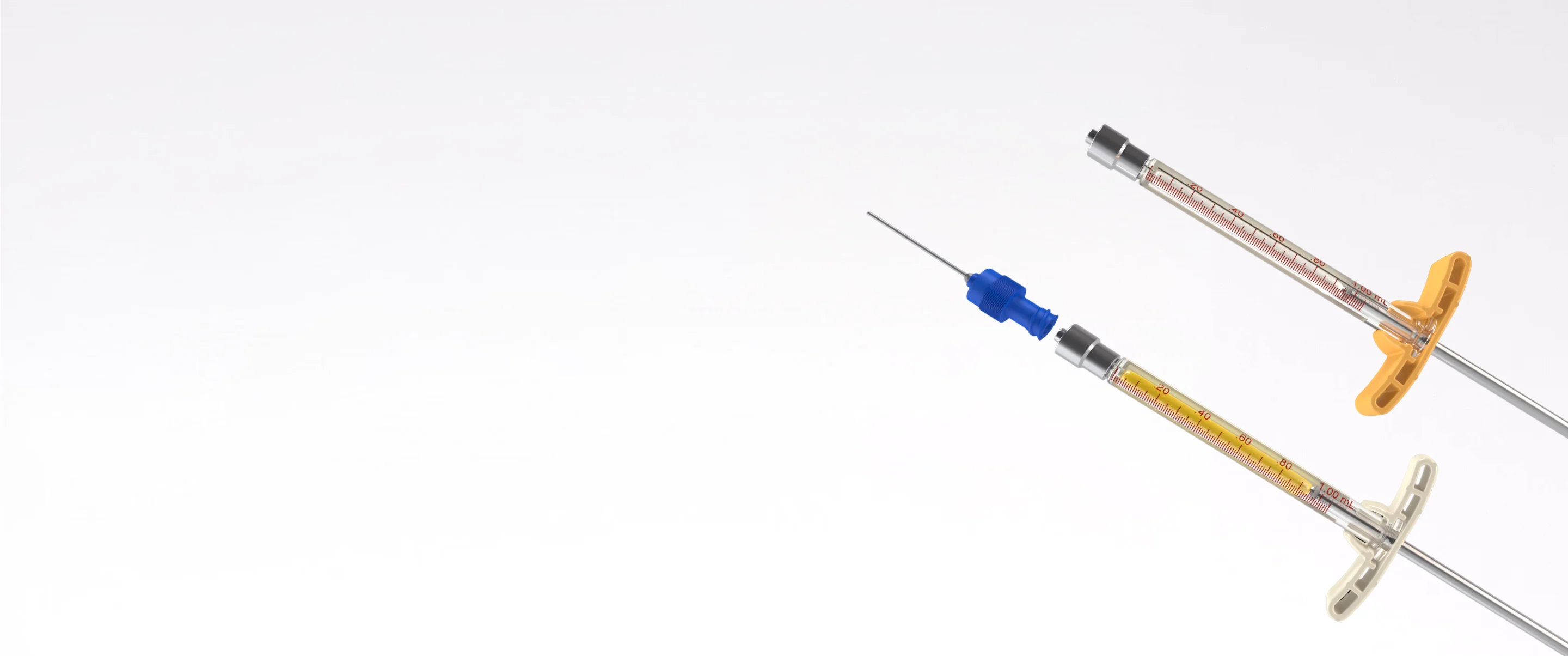
PHIL™ Liquid Embolic System
"The PHIL-dAVF study provides evidence about the efficacy and safety of PHIL in the treatment of intracranial dAVFs, with outcomes comparable to existing liquid embolic agents reported in the literature."
- Patients
67
- Countries
France, Spain, UK, Sweden, Denmark
- Clinical Centers
13
- Design
Single arm prospective
- Scope
All patients with an intracranial dAVF that has not been previously treated and will be treated by embolization with PHIL used with or without other embolization products.
- Purpose
Assess safety and efficacy of PHIL used with or without other embolization products (cyanoacrylate glue, coils, balloon, etc.) in endovascular embolization of dAVF.
Endpoints
Efficacy: Cure rate and clinical course of the patient stability/improvement/deterioration at 3-6 months after last embolization compared to baseline
Cure rate assessed by Angiography validated by Corelab
Safety: Number of adverse events and assessment of neurological status (mRS) at 1 month after each embolization compared to baseline
Efficacy results
At 3-6 months post last embolization session:
Complete angiographic cure rate: 86.9%
Safety results
AE: 4.5%
At 1 month post embolization session:
Transient functional deterioration: 4.5% – all resolved by the last follow-up.
At 3-6 months post embolization session:
Transient functional deterioration: 0%
Mortality: 0%
LINK TO STUDY PAGE ClinicalTrials.gov ID NCT03317821
Please refer to Instruction for Use (IFU) in the specific market/country that you are looking into:
MM1945 WW 04/26

Explore more studies
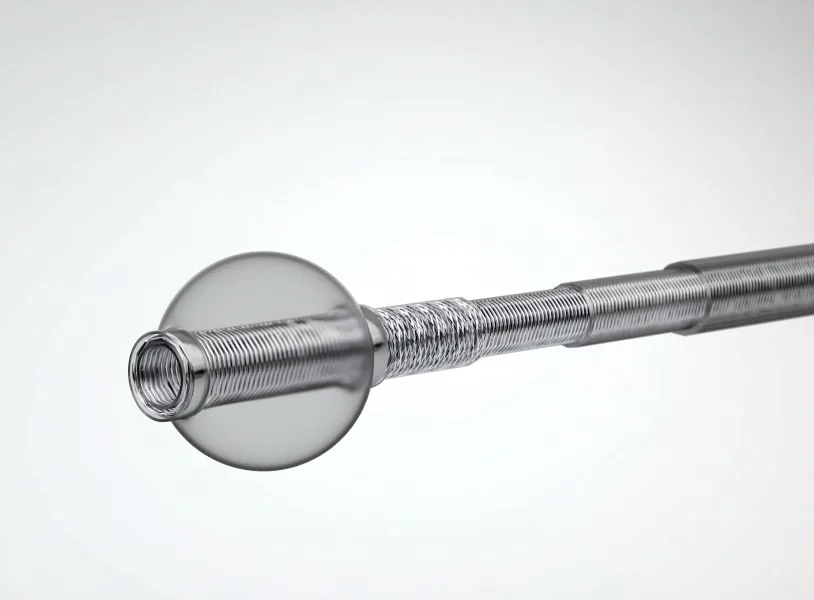
STRAIT Study: Balloon Guide Catheter for Endovascular Treatment of Acute Ischemic Stroke
BOBBY™ Balloon Guide Catheter
Request more information
The information you provide through this form is necessary to respond to your request and may be shared with the relevant Terumo Neuro group entity or entities responsible for handling it. For more information on how we process your personal data and on your rights, please refer to our privacy notice.